

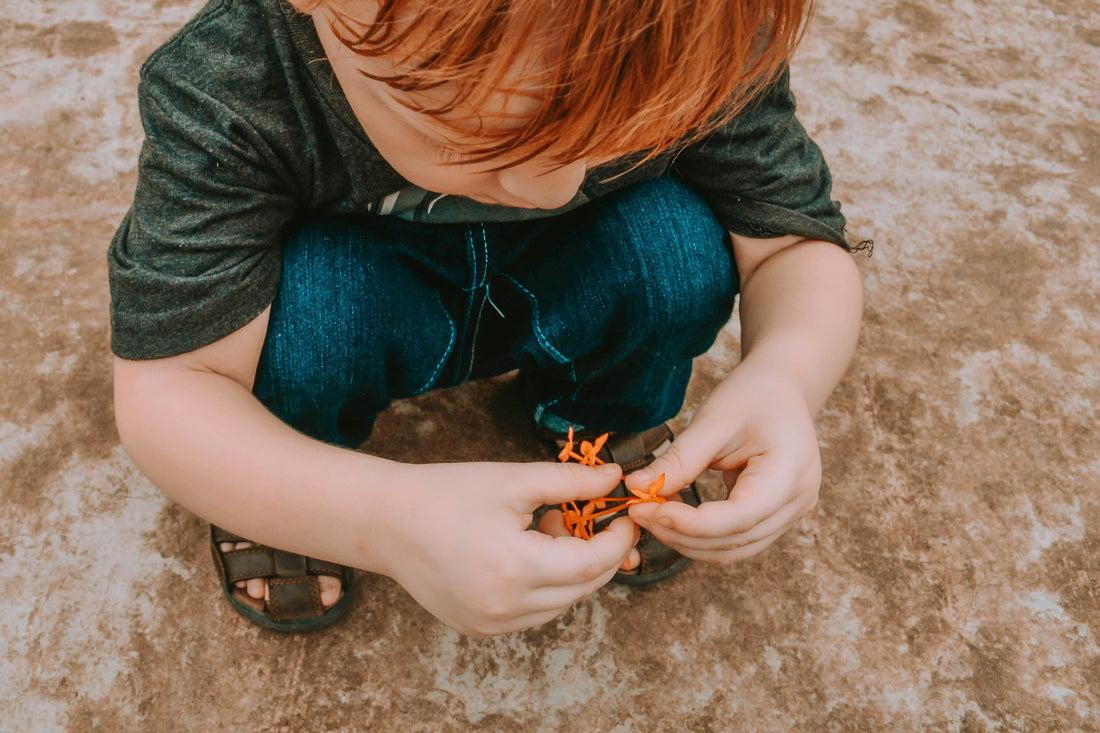
Natural desire to learn
What is the natural desire to learn?
Children are born curious. Nobody needs to teach a baby to explore, or a toddler to ask "why?" — the drive to understand the world is already there.
Learning isn't something to be forced. It unfolds naturally, joyfully, when your child is given the freedom to follow it.
Why does it matter?
That inner motivation is far more powerful than any reward chart. When your child follows their own interests, concentration deepens, purpose grows, and engagement comes from within.
Trust it, and you're building a foundation for a lifelong love of learning.
How to apply it at home
Follow their lead
Notice what your child gravitates to — pouring water, stacking blocks, studying insects — and give them more chances to explore exactly that.
Provide open-ended materials
Blocks, play dough, simple art supplies — toys with no single right answer invite creativity and keep curiosity alive.
Don't interrupt
When your child is deeply focused, hold the questions and even the praise. Finishing their work on their own terms is the reward.
Answer with enthusiasm
When the "why?" questions come, meet them with excitement and honesty. Their curiosity is a gift — treat it like one.
Playthings that spark wonder
Tools for little explorers — for looking closer, peering further, and bringing nature home.


You don't need to manufacture curiosity — only protect the curiosity that's already there. Follow it, and learning takes care of itself.